
Aluminum Alloy Materials
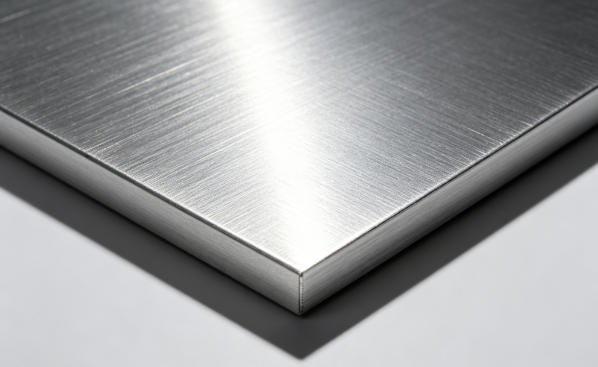
What Is Aluminum Alloy Material?
Aluminum alloy is a lightweight, high-strength metal material, serving as a core raw material for CNC machining. It offers excellent machinability and corrosion resistance, ensuring efficient production and long-term performance. It supports high-precision turning, milling and other processes, achieving strict tolerances up to ±0.005mm, and is widely used in aerospace, electronics, automotive and other fields, making it an ideal choice for manufacturing lightweight precision parts.
CNC Machining Methods For Aluminum Alloy
Aluminum Alloy CNC Turning
An aluminum alloy workpiece is rotated while a stationary cutting tool removes material, producing cylindrical shapes. Commonly used for creating shafts, rings, and other rotational aluminum alloy components.
Aluminum Alloy CNC Milling
Involves rotating a cutting tool against a stationary aluminum alloy workpiece to remove material. Ideal for complex aluminum alloy shapes, including contours and features like slots, pockets, and holes.
Aluminum Alloy CNC Drilling
Utilizes drill bits to create precision holes in aluminum alloy parts. Often used to create mounting holes or to prepare for further machining operations on aluminum alloy components.
EDM For Aluminum Alloy
Uses electrical discharges (sparks) to erode material from aluminum alloy workpieces. Common in mold making, tool and die work, and complex geometries for hard-to-machine aluminum alloy parts.

Electronics Industry
We partner with electronics brands to manufacture high-precision, miniaturized custom parts with excellent thermal and electrical performance. From connector components to equipment housings, our CNC machining expertise ensures reliable, durable products that meet electronics industry requirements. We support both prototype development and small-to-medium batch production.
Aerospace Industry
We collaborate with aerospace brands to manufacture high-strength, lightweight custom parts with extreme precision and reliability. From aircraft structural components to engine parts, our CNC machining expertise delivers products that meet strict aerospace safety and performance standards. We support both prototype development and small-to-medium batch production.