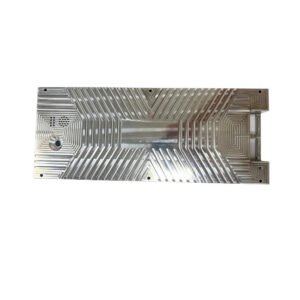
Product
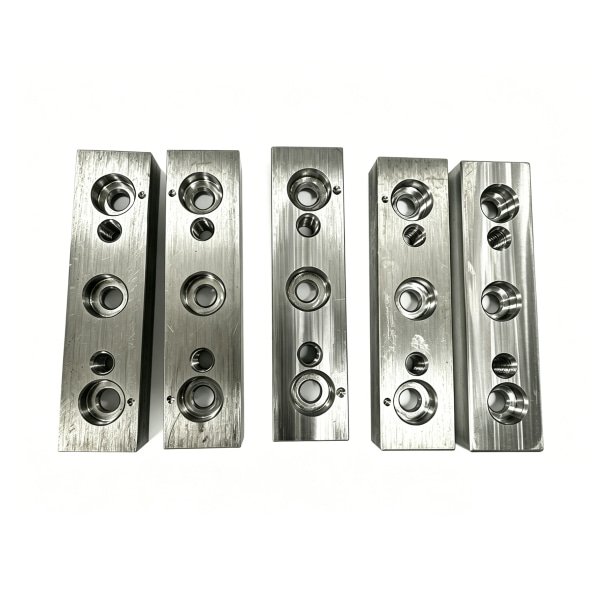
CNC Machining of Aluminum Alloy Components
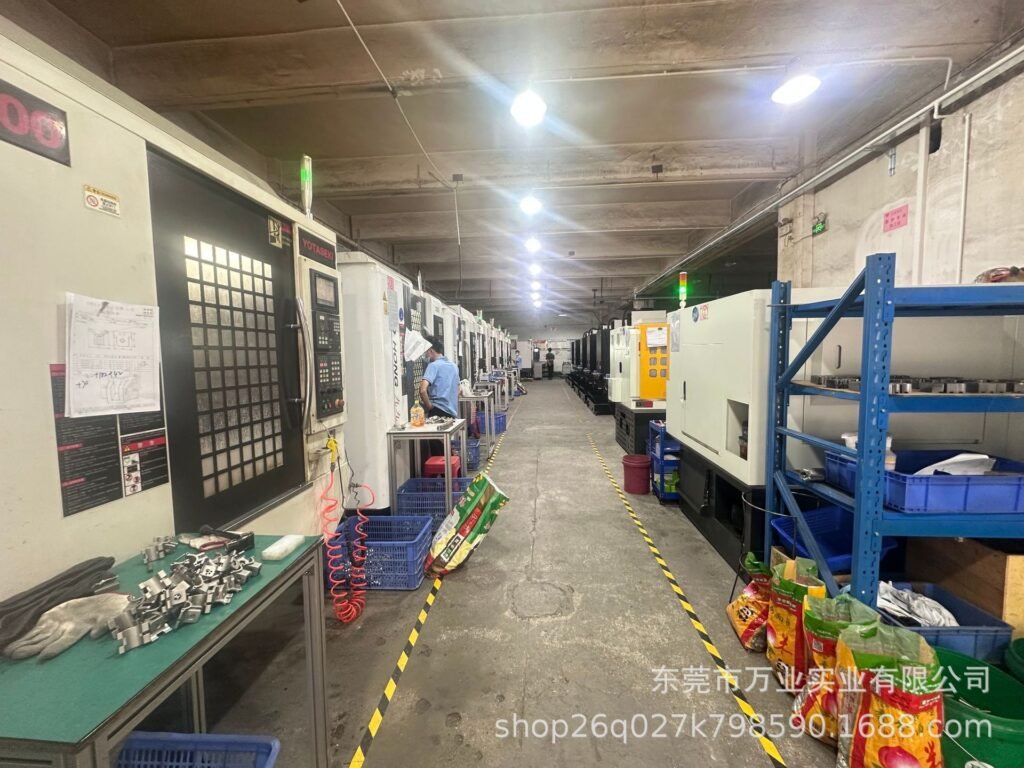
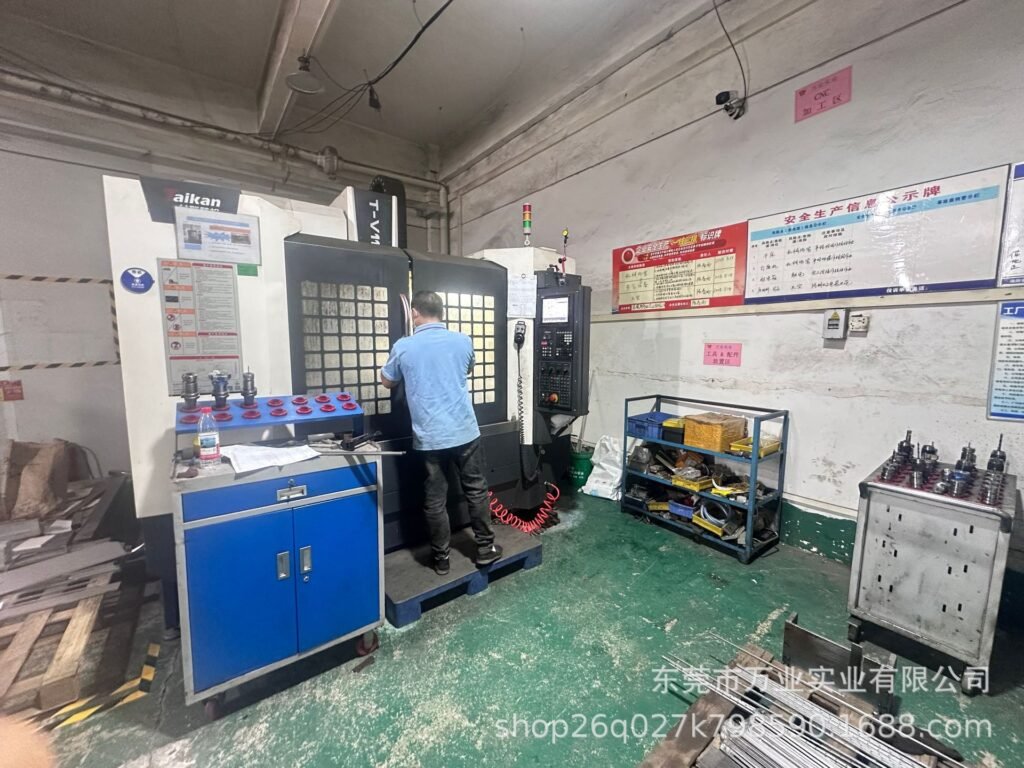
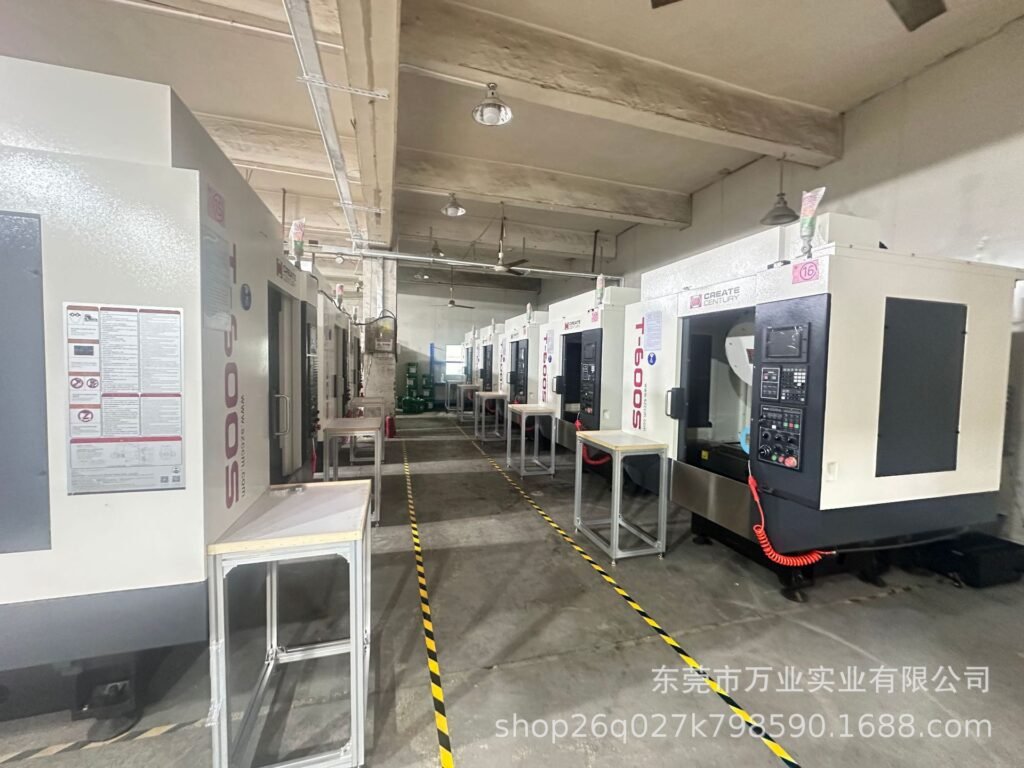
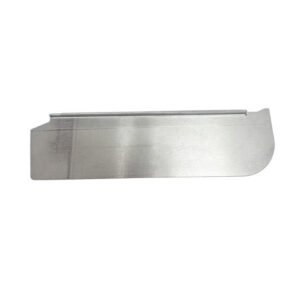
Our factory specializes in the precision CNC machining of aluminum alloy components. With years of industry experience, we leverage our comprehensive range of machining equipment, proven manufacturing processes, and rigorous quality control to undertake custom and mass production of various aluminum non-standard parts, precision structural components, mechanical parts, and integrated valve blocks. We cater to the machining needs of diverse industries, offering both custom manufacturing based on customer drawings and contract manufacturing using customer-supplied materials. By balancing machining precision with production efficiency, we provide customers with reliable, one-stop CNC machining solutions.
- Using high-precision CNC lathes, CNC milling machines, and other equipment, we employ computer programming to control tool movement and perform core machining operations on aluminum alloy components. Key processes include:
- – Milling: Using rotating milling cutters, we machine flat surfaces, grooves, steps, and contours on components. Precision can be controlled within ±0.01 mm, meeting the machining requirements of complex structures such as mounting slots for hydraulic valve blocks and irregular contours on brackets.
- – Turning: For cylindrical, conical, and other rotary components, the workpiece is rotated by the lathe spindle while the cutting tool performs machining operations to produce external circles, internal bores, and threads, ensuring the components meet roundness and concentricity standards.
- – Drilling and Tapping: Utilizing precise positioning via CNC equipment, we machine various through holes, blind holes, and countersunk holes. Simultaneous tapping ensures smooth, uniform threads that meet subsequent assembly requirements, such as connection holes and oil ports.
- – Precision Engraving/Slotting: Based on drawing specifications, we perform surface engraving, lettering, or precise slotting on components, balancing functionality with aesthetic appeal to meet customers’ requirements for personalized identification and structural design.